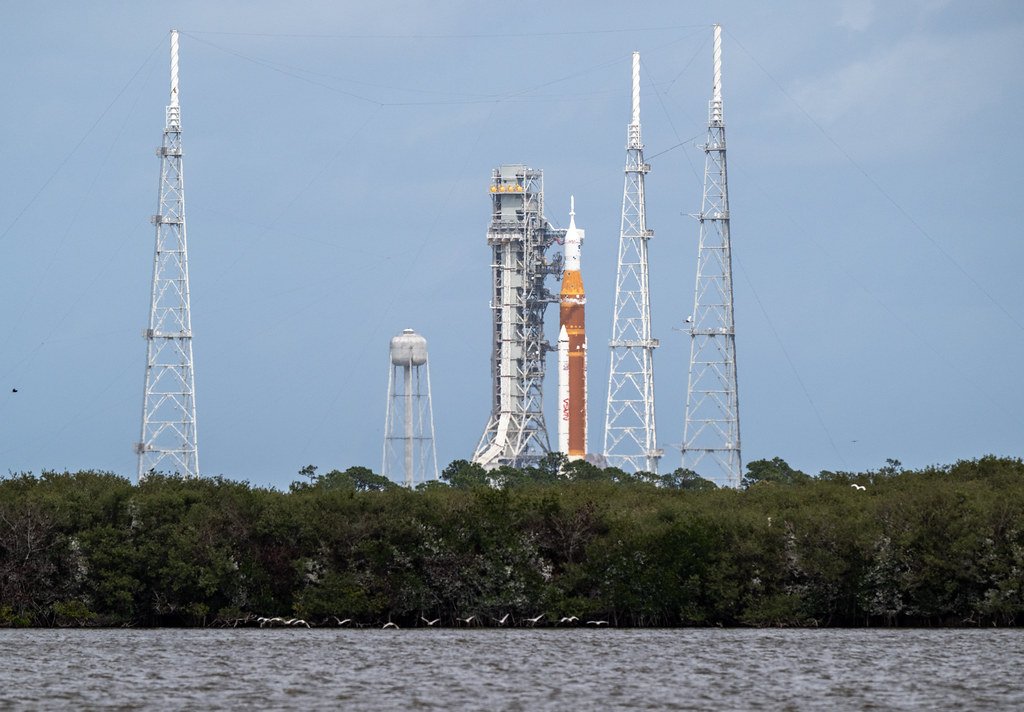
The journey to the moon is never easy, but the crew of the Orion spacecraft recently faced an obstacle: a plumbing disaster. The artemis ii waste leak crisis became the center of global attention this week as NASA engineers and the four-person crew scrambled to fix a malfunctioning Universal Waste Management System (UWMS). While the world celebrated the historic Artemis II Moon Mission Live updates, the reality inside the capsule was a bit more pungent than the pristine images suggested.
A Plumbing Snafu in Deep Space
Hours after the successful artemis ii launch, the crew reported a “minor smell” and a technical fault in the spacecraft’s $30 million toilet. What began as a small indicator light issue quickly escalated into a potential artemis ii waste leak crisis. The UWMS, designed to handle human waste in a microgravity environment, experienced a pressure fluctuation that threatened to leak fluids into the cabin.
Astronaut Christina Koch, serving as the mission’s unofficial “space plumber,” had to work closely with Houston mission control to troubleshoot the issue. For a mission designed to last ten days, a non-functional toilet isn’t just an inconvenience—it is a mission-ending health hazard. Fortunately, after several hours of tense repairs, the crew received the “go for use” signal, narrowly avoiding a catastrophic cleanup mission.
The $30 Million Plumbing Problem: Inside the Artemis II Waste Leak Crisis
Why is there so much focus on a toilet? The Universal Waste Management System is a marvel of engineering, costing roughly $30 million to develop. It is 65% smaller and 40% lighter than previous versions used on the International Space Station. However, in the cramped quarters of the Orion capsule, any failure in this system leads to an immediate artemis ii waste leak crisis.
The issue reportedly stemmed from a valve that failed to seat properly, causing a backup. In microgravity, liquids do not stay down; they float. A leak would mean biohazards drifting through the cabin, potentially damaging sensitive electronics or being inhaled by the crew. This incident mirrors the “toilet trouble” seen on previous commercial flights, but at a much higher stakes distance from Earth.
From Hydrogen Leaks to Toilet Troubles
The road to this mission has been paved with technical hurdles. Before the artemis ii waste leak crisis in orbit, NASA struggled for months with the Space Launch System (SLS) rocket. Engineers spent a significant portion of the lead-up trying to tame hydrogen leaks that delayed the initial launch window.
While the rocket eventually performed flawlessly, the transition from “leaky fuel” to “leaky waste” has kept the ground teams on high alert. It seems that whether it is the propellant or the plumbing, fluids remain the greatest enemy of the Artemis program. While the space agency deals with these high-tech leaks, the news cycle back on Earth has been dominated by other “leaks” and scandals, such as the Kristi Noem husband scandal and the Pam Bondi sacking, proving that whether in space or politics, nothing stays hidden for long.
Public Reaction: “A $30 Million Port-a-Potty?”
Social media platforms like Reddit and Twitter erupted when news of the plumbing snafu broke. On the r/Space subreddit, users joked about the “most expensive plumber’s bill in history,” while others expressed genuine concern for the crew’s safety. The juxtaposition of a multi-billion dollar lunar mission being held back by a toilet was not lost on the public.
- Reddit: “Imagine going to the moon and having to use a vacuum to catch your own mess because a $30m valve broke.”
- Twitter: “Christina Koch is officially the most overqualified plumber in the solar system. Glad the Artemis II waste leak crisis is over!”
While the public found humor in the situation, the technical reality was a sobering reminder of how fragile life support systems are in deep space. Similar to how fans are tracking the March Madness bracket 2026 or the Tiger Woods DUI updates, the “Toilet Watch” became a viral obsession for a few hours.
Key Facts About the Orion Plumbing Issue
- System Name: Universal Waste Management System (UWMS).
- Cost: Approximately $30 million to $43 million depending on development stages.
- The Fix: Christina Koch bypassed a faulty sensor and manually reset the separator motor.
- Current Status: Fully operational; the artemis ii waste leak crisis has been downgraded to “monitored.”
- Crew Safety: No waste escaped into the main cabin; the smell was localized to the waste compartment.
Why This Is Trending Now
The artemis ii waste leak crisis is trending because it highlights the “human” side of space travel. We often think of astronauts as stoic figures in high-tech suits, but they face the same basic biological needs we do. When those needs intersect with high-stakes engineering failures, it creates a compelling narrative.
Furthermore, the artemis ii launch represents the first time humans have headed toward the moon in over 50 years. Any glitch—no matter how small—is magnified by the historical significance of the mission. People are just as curious about the daily lives of astronauts as they are about the P Diddy house raid or the Jaden Ivey controversy.
What Happens Next for the Artemis II Crew
With the artemis ii waste leak crisis behind them, the crew—consisting of Reid Wiseman, Victor Glover, Christina Koch, and Jeremy Hansen—can focus on their primary objective: the lunar flyby. They are currently on a trajectory that will take them behind the far side of the moon, farther than any human has traveled before.
NASA will continue to monitor the UWMS closely. The data gathered from this “in-flight repair” will be crucial for the Artemis III mission, which aims to land humans on the lunar surface. If the toilet can’t hold up for ten days in orbit, it certainly won’t work for a month-long stay on the moon. For now, the mission remains a “go,” and the crew is in high spirits, having conquered the most relatable crisis in the history of space exploration.
In conclusion, the artemis ii waste leak crisis served as a tense reminder that even in the vacuum of space, the most basic systems are often the most critical. As the crew continues their journey, the world remains hopeful that the only things leaking from now on are spectacular photos of the lunar surface.
FAQ
What exactly was the Artemis II waste leak crisis?
The crisis involved a malfunction in the Universal Waste Management System (UWMS) aboard the Orion spacecraft, where a pressure issue threatened to leak liquid waste into the crew cabin shortly after the Artemis II launch.
How did the astronauts fix the toilet?
Astronaut Christina Koch performed a manual override of the system’s separator and cleaned a sensor that was providing false readings, effectively ending the immediate threat of a leak.
Is the Artemis II mission still going to the moon?
Yes. Despite the plumbing scare, the mission is proceeding as planned. The crew is currently on a path for a lunar flyby before returning to Earth.
How much did the Artemis II toilet cost?
The system is estimated to have cost NASA between $30 million and $43 million, designed specifically to be lightweight and efficient for deep-space missions.
Was there an actual leak inside the spacecraft?
There was a reported “minor smell,” but NASA confirmed that no liquid or solid waste actually escaped into the habitable area of the Orion capsule thanks to the quick intervention of the crew.
What happens if the toilet breaks again?
The crew has backup protocols, including specialized waste collection bags (fecal containment devices), though these are considered a last resort due to the difficulty of use in a small capsule.