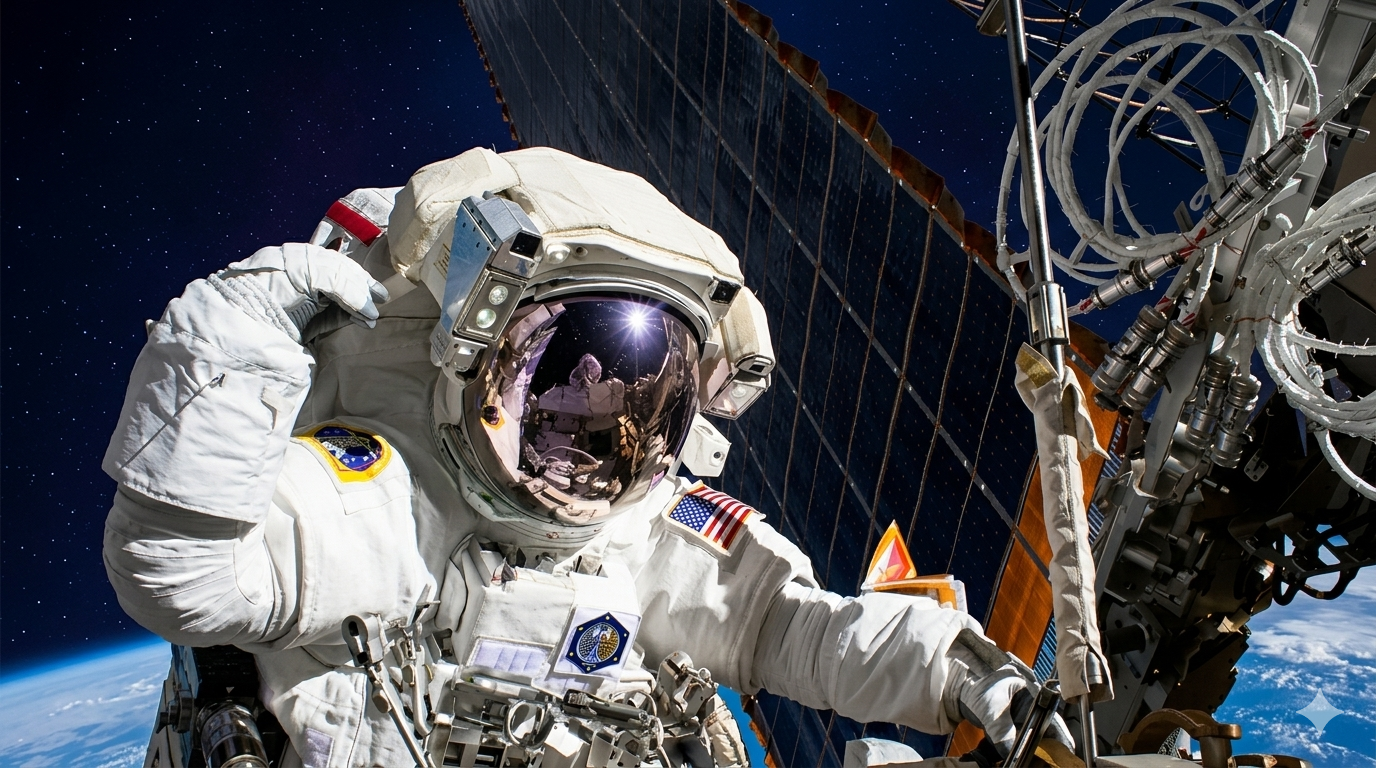
The eyes of the world are fixed on the Florida coastline today, April 1, 2026, as the NASA Artemis rocket launch for the historic Artemis II mission prepares for liftoff. For the first time in over 50 years, since the final embers of the Apollo program in 1972, a crewed spacecraft is set to journey beyond low-Earth orbit. This mission represents more than just a technical milestone; it is a profound symbol of human curiosity and the next giant leap toward a permanent lunar presence.
The Space Launch System (SLS), currently the most powerful rocket ever built, stands tall at Launch Pad 39B at the Kennedy Space Center. NASA Artemis Rocket Launch faced technical hurdles and minor weather delays earlier this year, the mission is now in its final countdown. Thousands of spectators have gathered on the Space Coast, reminiscent of the Apollo era, to witness the fiery ascent of the Orion capsule.
The Artemis II Mission: Breaking Records and Barriers
While the uncrewed Artemis I mission proved the SLS could reach the Moon, Artemis II is the true litmus test for human deep-space travel. The 10-day mission will carry four astronauts on a “free-return trajectory.” This means the spacecraft will use the Moon’s gravity to slingshot itself back toward Earth after orbiting the lunar far side.
This specific NASA Artemis rocket launch is also a landmark for representation in space. The crew includes:
• Reid Wiseman (Commander): A veteran NASA astronaut and former ISS commander.
• Victor Glover (Pilot): The first Person of Color to participate in a lunar mission.
• Christina Koch (Mission Specialist): The first woman to journey to the vicinity of the Moon.
• Jeremy Hansen (Mission Specialist): The first non-U.S. citizen (Canadian Space Agency) to leave Earth’s orbit.
Transitioning from the crew to the technical specifications, the SLS rocket generates a staggering 8.8 million pounds of thrust. Consequently, the Orion spacecraft will reach speeds of approximately 25,000 mph during its re-entry into Earth’s atmosphere, testing the thermal protection systems to their absolute limit.
Looking Ahead: The Road to reeArtemis III and Beyond
Even as we celebrate the current launch, NASA’s long-term strategy continues to evolve. Recent updates in early 2026 have shifted the timeline for the highly anticipated Artemis III mission. Originally envisioned as the first return of humans to the lunar surface, Artemis III has been redesigned as an Earth-orbit mission to test docking procedures with the SpaceX Starship Human Landing System
As a result, the actual lunar landing is now slated for Artemis IV in 2028. This deliberate pace ensures that every safety protocol is met, especially regarding the heat shield erosion issues identified during the first uncrewed test. By the end of the decade, NASA aims to have a sustained presence on the Moon, serving as a stepping stone for the eventual journey to Mars
FAQ: NASA Artemis Rocket Launch
1. When is the next NASA Artemis rocket launch scheduled?
The Artemis II crewed mission is scheduled to launch on April 1, 2026, from the Kennedy Space Center in Florida. If weather conditions interfere, backup windows are available through April 6.
2. Who are the astronauts on the Artemis II mission?
The crew consists of Commander Reid Wiseman, Pilot Victor Glover, and Mission Specialists Christina Koch and Jeremy Hansen. This diverse crew represents the first time a woman, a Person of Color, and an international partner have traveled to the Moon.
3. Will Artemis II land on the Moon?
No, Artemis II is a flyby mission. The crew will travel approximately 4,700 miles beyond the far side of the Moon to test life-support systems before returning to Earth for a Pacific Ocean splashdown.
4. How powerful is the Artemis rocket?
The Space Launch System (SLS) is the most powerful rocket in the world, producing 15% more thrust than the Apollo-era Saturn V. It is designed to carry the Orion capsule and heavy cargo into deep space.
5. How can I watch the NASA Artemis rocket launch live?
NASA provides live streaming coverage through its official website, NASA+, and its YouTube channel. Coverage typically begins several hours before the scheduled T-zero to show propellant loading and crew boarding.
Watch the launch live here.
Why Oracle Stock is Surging Today Despite 30,000 Layoffs and Negative Cash Flow