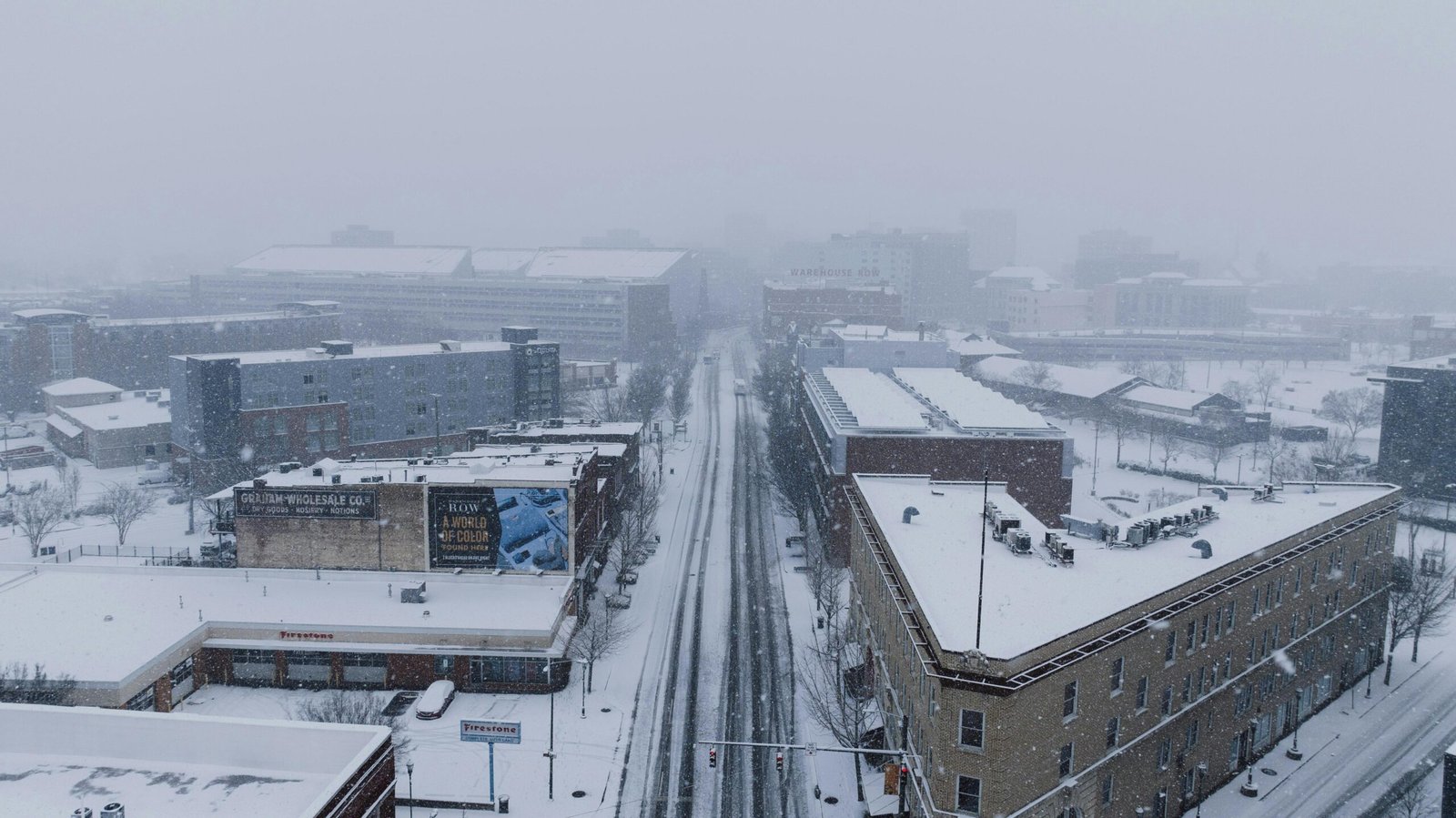
Winter Storm Warning: What You Need to Know to Stay Safe During Deadly Cold
A winter storm warning isn’t just another weather update—it’s an urgent message that life and safety could be at risk. As major winter storms sweep across the USA this season, understanding winter storm warnings is crucial. Whether you’re checking the live winter storm warning tracker or following breaking news from South Carolina Emergency Management, the difference between preparation and panic comes down to knowing what these warnings really mean—and what to do next.
How a Winter Storm Warning Can Save Your Life
When the National Weather Service issues a winter storm warning, dangerous snow, ice, sleet, or freezing rain are either imminent or already occurring. These warnings are designed to give people in the affected area several hours to prepare. Unlike a watch or advisory, a winter storm warning means you must take action now.
In 2024, winter storm warnings were issued across six states, from the Midwest to the South. Many residents were caught off guard—social feeds overflowed with questions ranging from “How close is the storm?” to “Should I drive right now?” Local emergency management teams, such as Winter Weather – South Carolina Emergency Management and Georgia authorities, urge everyone to monitor threats using official trackers and prepare homes, pets, and vehicles now.
Real-Time Storm Watch: Using a Live Winter Storm Warning Tracker
If you’re searching “winter storm warning near me” or “major winter storm tracker,” you’re not alone. Millions are turning to digital tools to track changing conditions. Platforms like watches, warnings & advisories – weather.gov, NOAA’s forecast radar, and alert systems give real-time updates on approaching hazards.
- Track current snow and ice accumulations
- Get customized alerts for your ZIP code
- Monitor road closings and power outages
Several trending posts on Reddit’s r/weather and Twitter threads show a surge in downloads and shares of winter weather tracking apps, as well as frustration over late or unclear alerts. Many users say they trust official trackers far more than generic weather apps.
Breaking Down the Key Terms: Watch, Advisory, Warning
According to Weather.gov, here’s what you need to know:
- Winter Storm Watch: Severe winter conditions possible within 24-48 hours. Stay alert.
- Winter Weather Advisory: Less dangerous, but may still cause travel problems.
- Winter Storm Warning: Life-threatening weather is happening or about to. Take immediate action.
Those in the Carolinas, Illinois, and the Northeast saw rapid changes in alert status this season. Winter storm warning in North Carolina and Tennessee resulted in widespread school closures and hazardous road conditions.
Why Winter Storm Warnings Trigger Urgent Action
The winter storm warning plays a vital role in community safety. Past winters have shown that ignoring them leads to fatal traffic crashes, hypothermia, and stranded drivers. When alerts are issued, authorities recommend staying indoors, charging devices, gathering essentials, and, if possible, moving to designated shelters.
Recent debates on Twitter and Facebook reveal confusion about school and work policies. Emergency management—like Ready Illinois—share checklists for safety and encourage community members to look out for at-risk neighbors.
What People Are Saying Online
Redditors in affected areas post hour-by-hour road snapshots, share power outage tips, and vent about inconsistent warning times. On Twitter, hashtags like #WinterStormWarningUSA and #StormTracker2024 trend every time a blizzard hits, with both praise and criticism directed at forecasting accuracy.
A viral tweet read, “Didn’t believe the winter storm warning. Now stuck on I-95 since midnight. Don’t make my mistake!” Another user shared, “Thanks @weatherchannel for the heads-up—glad we prepped our supplies before the roads iced.”
Across all platforms, users demand clearer communication and share stories of neighbors helping each other during outages.
Key Facts: Staying Informed During a Winter Storm Warning
- Over 120 million Americans are under winter weather advisories or warnings annually.
- Winter storm warnings are issued when 6+ inches of snow, heavy ice, or blizzard conditions are expected.
- Trackers and official alerts can save lives if followed early.
Why This Matters
Ignoring a winter storm warning can have devastating outcomes. Transportation, power supply, and emergency services may be interrupted—even in well-prepared regions. Vulnerable populations (elderly, sick, rural) face greater risk. The more you understand and act on warnings, the safer your community becomes.
For broader global stories on crises and their impact, see our coverage of the Iran US Israel Strikes and Sinner Tennis: Playing Style & Techniques.
What Happens Next? Preparing for the Next Winter Storm Warning
Experts recommend signing up for local emergency alerts, storing enough food and medicine for at least three days, and keeping mobile devices charged. After the storm, watch for lingering dangers such as black ice, falling tree limbs, and collapsed roofs.
If your area is under a winter storm warning, follow Weather.gov, local government resources, and real-time trackers. Stay tuned—as this winter’s pattern evolves, new warnings may be issued with little notice.
Want to learn more about how public figures and stars cope with challenges? Explore our exclusive interviews with Heeseung of ENHYPEN or see how pop icons like Charli XCX and George Daniel make headlines during their own high-stress moments.
FAQ
What is a winter storm warning?
A winter storm warning is issued by the National Weather Service when dangerous winter weather, such as heavy snow, sleet, or ice, is expected or occurring. It means you should take action right away to stay safe.
How can I check if there’s a winter storm warning near me?
Use the live winter storm warning tracker on Weather.gov or sign up for alerts from your state or local emergency management website.
What’s the difference between a watch, advisory, and warning?
A watch means conditions are possible. An advisory signals less severe but significant impacts. A warning means dangerous conditions are happening or about to happen—take immediate precautions.
What should I do during a winter storm warning in the USA today?
Stay indoors, avoid travel, gather emergency supplies, and watch for new alerts. Listen to local emergency management for instructions.
How do winter storm warnings affect schools and businesses?
Many close or delay opening. Follow announcements via local news, school districts, or employer notifications for the latest updates during a warning.
Where can I get real-time winter storm warning updates?
Check official sources such as Weather.gov, state emergency management sites, and trusted tracking apps for continuous updates.