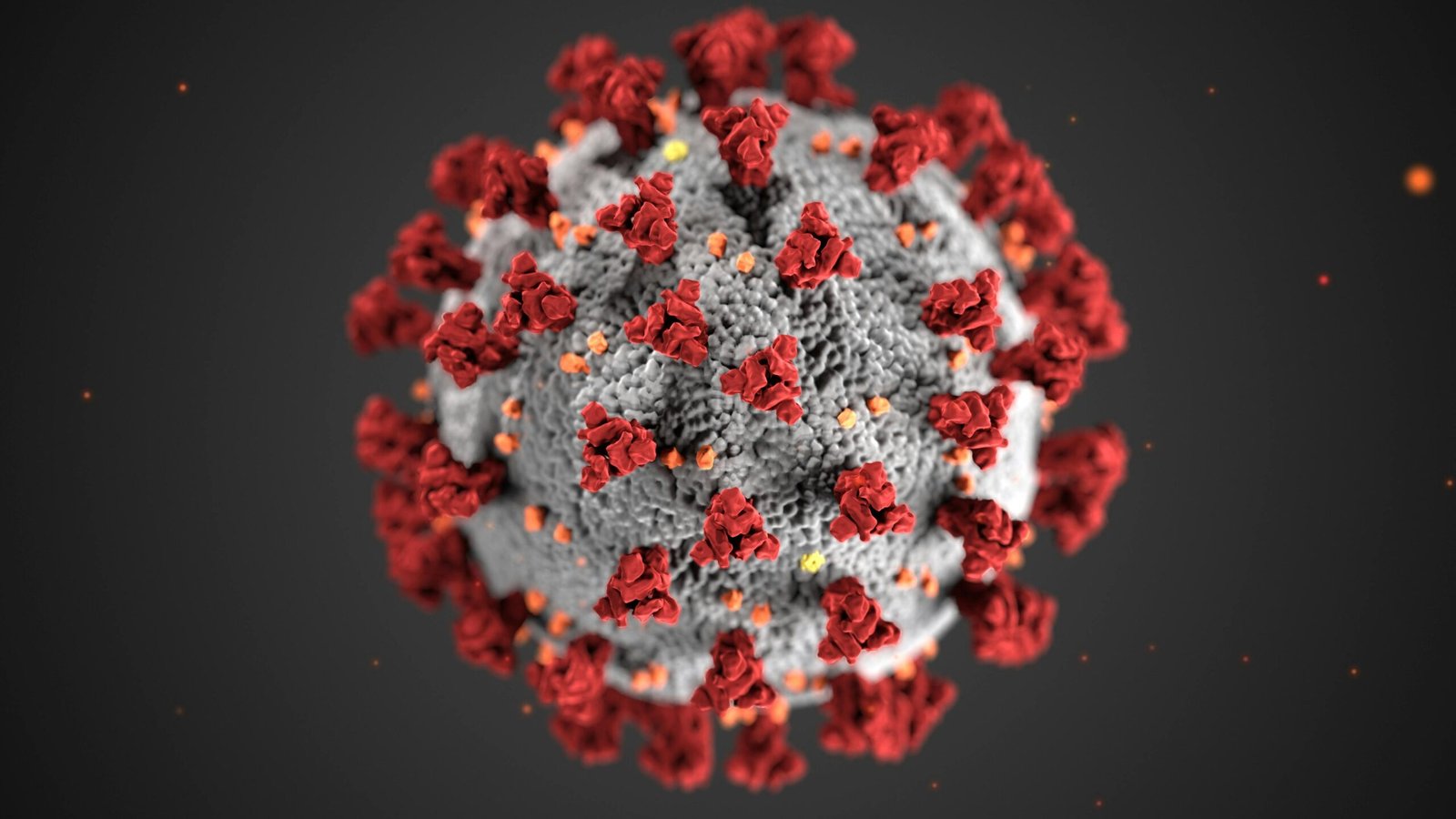
Health officials are sounding the alarm as a highly mutated new strain, the cicada covid variant ba 3.2, begins to dominate headlines and infection charts across the globe. First identified in South Africa, this Omicron offshoot has rapidly migrated, appearing in at least 22 countries and nearly half of the United States. The nickname “Cicada” stems from its sudden, widespread emergence, mimicking the periodic arrival of the insects that take over the landscape. As summer surges become a recurring theme in the pandemic era, understanding this specific lineage is critical for public safety.
What is the Cicada COVID Variant BA 3.2?
The cicada covid variant ba 3.2 is a sublineage of the Omicron family, but it carries a staggering number of mutations that set it apart from its predecessors. Virologists have noted that BA.3.2 features genetic changes in the spike protein that may allow it to bypass existing immunity more effectively than previous strains. Unlike earlier variants that evolved incrementally, Cicada appears to have undergone a significant evolutionary leap, making it a “variant of interest” for the CDC and WHO.
While the world has grown accustomed to new variants, the biological profile of BA.3.2 suggests it is built for speed and evasion. It is currently being monitored for its potential to drive a significant wave of infections, even in populations with high vaccination rates. While we track these medical developments, many are also following other major news stories, such as Celine Dion’s inspiring comeback amidst her own health battles with Stiff Person Syndrome.
Key Symptoms of the Highly Mutated Cicada Variant
Early reports from patients infected with the cicada covid variant ba 3.2 suggest that while many symptoms mirror the classic Omicron profile, there are subtle differences in intensity and duration. Physicians are reporting a higher incidence of upper respiratory congestion and profound fatigue. Understanding these signs is the first step in managing the potential surge.
How Cicada Differs from Previous Omicron Strains
Unlike the original BA.1 or BA.2 strains, BA.3.2 seems to cause a more persistent sore throat and “brain fog” that lasts longer into the recovery phase. Some patients have reported gastrointestinal distress, a symptom that was less common in the most recent “FLiRT” variants. Experts are closely watching to see if covid symptoms 2026 projections will need to be adjusted based on how these mutations persist in the human population.
Tracking the Rapid Spread of BA.3.2 Across the United States
Data from the CDC indicates that the cicada covid variant ba 3.2 has already been detected in 25 states. The spread has been particularly aggressive in the New England area and parts of the Midwest. Global tracking shows that while the variant originated in Southern Africa, it has found a foothold in diverse climates, suggesting that seasonal temperature changes may not hinder its transmission as much as once hoped.
The “Cicada” nickname has stuck in public discourse because of how the variant seemed to “hatch” simultaneously in multiple geographic locations. This simultaneous detection suggests that the variant was circulating under the radar for weeks before genomic sequencing caught up with the reality on the ground. This mirrors the unpredictable nature of public health crises, similar to how fans are currently navigating the truth behind Lamar Odom’s survival and his long road to recovery.
Future Projections: COVID Symptoms 2026
As we look toward the future, researchers are using the data from BA.3.2 to model what covid symptoms 2026 might look like. The trend suggests a virus that is becoming increasingly adept at mimicking common cold symptoms while maintaining its ability to cause long-term inflammatory issues. This makes testing more important than ever, as it becomes harder to distinguish COVID-19 from seasonal allergies or the flu based on symptoms alone.
Public Reaction and Expert Warnings: Should You Be Concerned?
The reaction on social media platforms like Reddit and Twitter has been a mix of exhaustion and renewed caution. Many users are sharing their experiences with the cicada covid variant ba 3.2, noting that it “hit harder” than previous infections. There is a palpable sense of “COVID fatigue,” yet the data suggests that ignoring this variant could lead to a significant spike in hospitalizations, particularly for the vulnerable.
Medical experts emphasize that while the variant is highly contagious, there is currently no evidence that it causes more severe disease in healthy, vaccinated individuals. However, the sheer volume of cases could overwhelm local healthcare systems. This high-stakes environment often leaves people looking for an escape in entertainment, such as discussing the release date for Euphoria Season 3 or other pop culture milestones.
Key Facts About the Cicada Outbreak
- Mutation Count: BA.3.2 has over 30 mutations in its spike protein alone.
- US Presence: Currently confirmed in 25 states, including high concentrations in New England.
- Global Reach: Detected in 22 countries, with South Africa and the UK reporting high case numbers.
- Vaccine Efficacy: Current boosters provide some protection against severe illness, though “breakthrough” infections are common.
- Nickname Origin: Dubbed “Cicada” due to its sudden, multi-regional emergence.
Why the Cicada Variant is Trending Right Now
The cicada covid variant ba 3.2 is trending because it challenges the narrative that the pandemic is “over” and has entered a purely endemic, predictable phase. The high mutation rate of BA.3.2 serves as a reminder that the virus is still capable of significant evolution. Furthermore, the timing of the surge—coinciding with summer travel—has created a “perfect storm” for transmission.
People are also searching for information because of the unique name. In a world of alphanumeric soup (BA.2.86, KP.3), a name like “Cicada” captures the public imagination and makes the threat feel more tangible. This is similar to how a shocking twist in a TV show can dominate the news cycle, much like the ending of Paradise Season 2 surprised viewers recently.
Do Current Vaccines Protect Against the BA.3.2 Variant?
One of the biggest concerns regarding the cicada covid variant ba 3.2 is whether our current medical arsenal is sufficient. Preliminary data indicates that while the standard mRNA vaccines may not prevent infection entirely, they remain highly effective at preventing the most severe outcomes, such as pneumonia and organ failure. Health officials are debating whether a specific booster for the Cicada lineage will be necessary by the fall.
For those who are immunocompromised, the advice remains to mask in crowded indoor spaces and stay up to date with the latest available shots. While medical science works on these solutions, the public continues to balance health concerns with daily life, from participating in the American Idol Vote 2026 to planning summer vacations.
What Happens Next: The Future of the BA.3.2 Surge
Looking ahead, the trajectory of the cicada covid variant ba 3.2 will depend on how quickly it displaces current dominant strains. If it continues its current path, it could become the primary version of the virus worldwide by the end of the quarter. Monitoring “long COVID” cases resulting from this variant will also be a priority for researchers.
In conclusion, the cicada covid variant ba 3.2 represents a new chapter in the ongoing saga of SARS-CoV-2. While it brings new challenges in terms of transmissibility and immune evasion, the tools we have—testing, vaccination, and awareness—remain our best defense. As we navigate this surge, staying informed through reliable sources is the most effective way to protect yourself and your community.
FAQ
What are the primary symptoms of the Cicada variant?
The primary symptoms of the cicada covid variant ba 3.2 include severe sore throat, extreme fatigue, upper respiratory congestion, and in some cases, gastrointestinal issues and lingering brain fog.
Is the BA.3.2 variant more dangerous than previous strains?
While BA.3.2 is more contagious and better at evading immunity, there is currently no clinical evidence suggesting it causes more severe physical illness or higher mortality rates in the general population.
Why is it called the “Cicada” variant?
It is informally nicknamed “Cicada” because of its sudden, widespread appearance across multiple countries and US states simultaneously, similar to the emergence of periodic cicadas.
Do COVID tests detect the Cicada variant?
Yes, current PCR and rapid antigen tests are still capable of detecting the cicada covid variant ba 3.2, although some experts suggest testing twice if symptoms persist despite an initial negative result.
Will there be a new vaccine for BA.3.2?
Health authorities are evaluating the need for updated boosters. Currently, existing vaccines are recommended as they provide significant protection against hospitalization and death.
How many US states have detected the Cicada variant?
As of the latest reports, the cicada covid variant ba 3.2 has been identified in 25 US states, with the highest concentration of cases in the Northeast.
Sources
- CDC: Centers for Disease Control and Prevention Variant Tracking
- World Health Organization: SARS-CoV-2 Variant Reports
- The Conversation: COVID-19 variant BA.3.2 spreading quickly across US
- USA Today: Cicada COVID variant found in 25 US states