The modern attention economy rewards theatricality, but the calculated theater of the Bad Bunny Met Gala 2026 appearance reveals a masterclass in corporate leverage. While casual observers debated the aesthetics of a 32-year-old global superstar transforming into an 85-year-old patriarch, the real story lies in the balance sheet. This was not merely a tribute to “Costume Art”; it was a highly engineered marketing activation designed to cement a lucrative fast-fashion alliance and maximize cultural equity.
Key Facts & Timeline
- February 2026: Benito Bowl performance features two custom Zara outfits, laying the groundwork for a massive retail partnership.
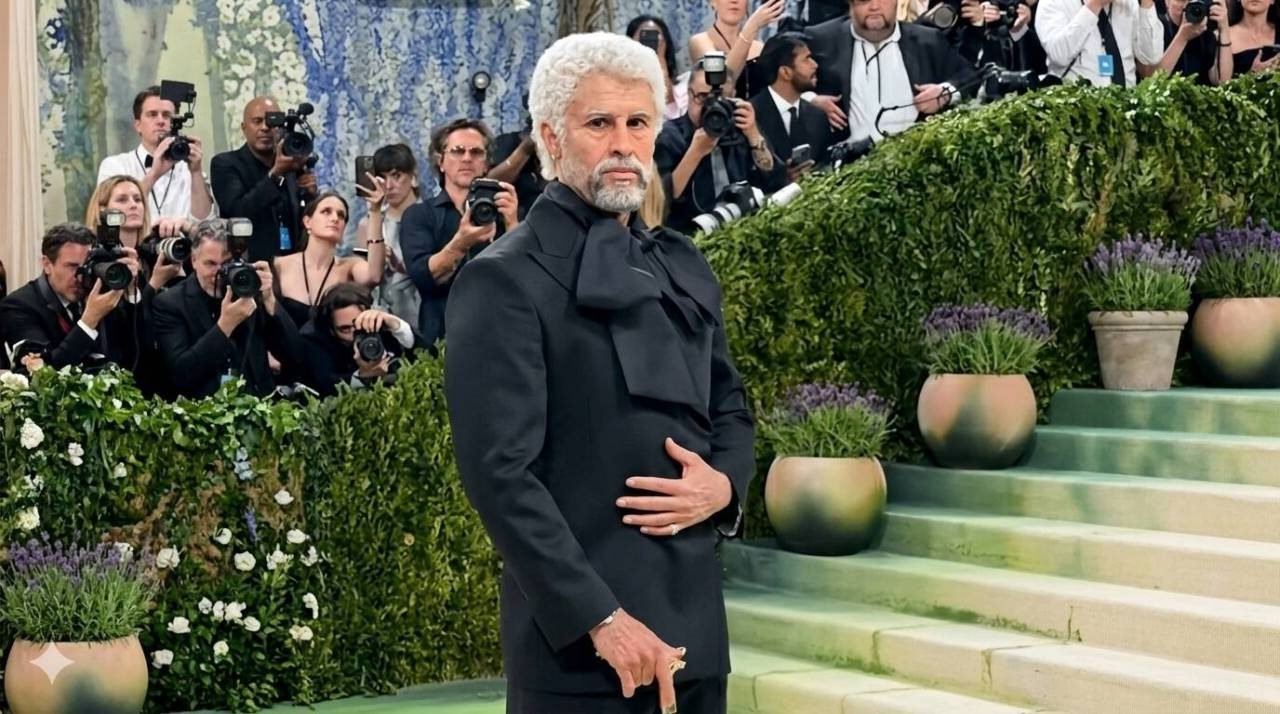
- May 4, 2026: Bad Bunny arrives at the Met Gala in New York City, unrecognizable as an 85-year-old man.
- 6 Weeks: The precise development timeline required by prosthetics artist Mike Marino, utilizing advanced 3D laser scans.
- 19th Century: The historical era of Puerto Rican painter Francisco Oller, who served as the creative inspiration for the look.
The Zara Partnership and Fast Fashion Arbitrage
The music industry no longer relies solely on streaming margins to sustain global empires. By wearing a custom all-black tuxedo suit designed in collaboration with Zara, the artist bypassed traditional high-fashion houses to democratize red-carpet luxury. This strategic pivot monetizes the attention-driven economy, proving that mass-market retail can command the same cultural authority as haute couture.
This collaboration did not emerge in a vacuum. Following his February Benito Bowl performance where he sported two custom Zara fits, this Met Gala appearance solidifies a multi-layered commercial alliance. By turning a high-society event into a billboard for accessible fashion, the partnership disrupts the traditional luxury paradigm, yielding unprecedented ROI for both the artist and the retail giant.
The Six-Week Prosthetic Asset Valuation
Behind the viral imagery of wrinkled skin and gray hair lies a highly technical, capital-intensive production process. Prosthetics artist Mike Marino spent six weeks crafting the hyper-realistic transformation, utilizing precise 3D laser scans to age the 32-year-old Grammy winner by over five decades. Every wrinkle, age spot, and silver hair was engineered to capture maximum digital real estate across global media channels.
From a financial perspective, this physical transformation represents a calculated risk with a guaranteed yield. In an era of fleeting digital impressions, achieving total unrecognizability forces the viewer to linger, drastically increasing the dwell time on media assets. The investment in high-tech prosthetics paid off instantly, dominating the global news cycle and generating millions in earned media value.
Monetizing Heritage at the Bad Bunny Met Gala
Cultural capital is the ultimate currency in 2026, and the artist leveraged his Puerto Rican heritage to anchor this theatrical stunt in historical significance. By channeling 19th-century Puerto Rican painter Francisco Oller, the presentation elevated what could have been a cheap gimmick into a profound artistic statement. This intellectual positioning shields the brand from accusations of superficiality, securing long-term cultural relevance.
This calculated blend of historical homage and modern corporate backing shows how contemporary pop icons navigate global markets. From honoring his late uncle with a “64” jersey at the Super Bowl to embodying an elderly painter at the Bad Bunny Met Gala, every creative choice serves a dual purpose. It satisfies the demand for authentic storytelling while building a highly defensible, multi-million dollar personal brand.
Editorial Deep Dive
The intersection of high art and mass commerce is the new battleground for celebrity equity. By leveraging advanced prosthetics and a mass-market retail partnership, this activation proves that cultural relevance is no longer about exclusivity, but about calculated accessibility and narrative depth.
Cheat Sheet Details
- Market Position: Leading global Latin artist bridging mass-market retail and high-concept art.
- Primary Assets: Multi-platinum music catalog, custom Zara design partnerships, and high-value media IP.
- Demographic Reach: Gen Z and Millennial consumers across global, bilingual markets.
- Recent Milestone: Headlining the 2026 Met Gala with a custom-designed Zara tuxedo and 3D-scanned prosthetics.
Public Reaction & Viral Impact
Social media platforms erupted with intense debate as fans dissected the hyper-realistic aging prosthetics, with many praising the artistic depth of the Francisco Oller tribute. Financial analysts and fashion commentators focused heavily on the disruptive Zara partnership, noting that the move successfully democratized the historically exclusive red carpet. The stunt generated massive engagement, proving that calculated shock value remains the most effective tool for commanding global digital real estate.