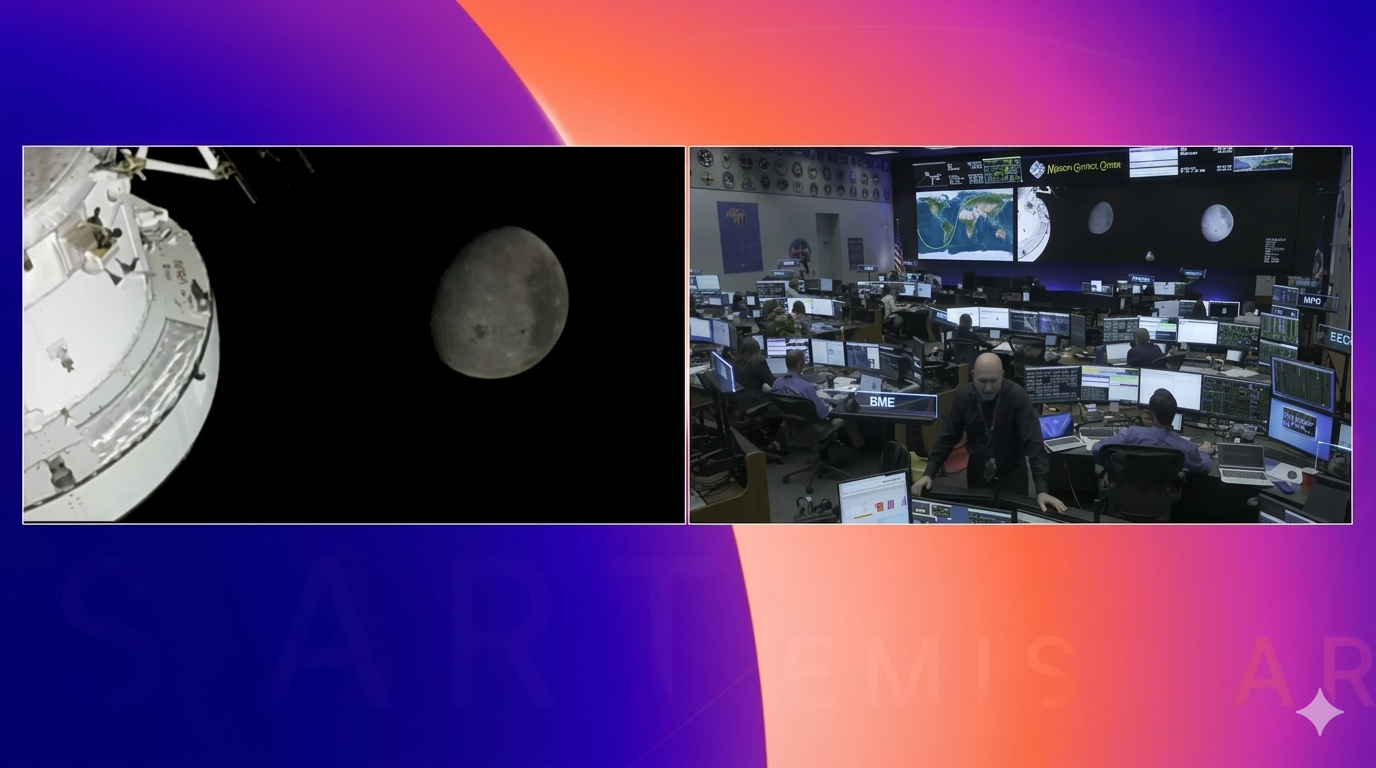
Artemis II Live Stream: For the first time in over half a century, humanity is heading back to the moon. As the Orion spacecraft carries four brave astronauts toward the lunar far side, millions of people around the globe are searching for the artemis ii live stream to witness this monumental achievement. This mission isn’t just a test flight; it is a bridge to the future of deep space exploration and the eventual colonization of Mars.
The buzz surrounding this mission has reached a fever pitch, especially with new partnerships between NASA and major streaming platforms. Whether you are a space enthusiast or a casual observer, knowing where and when to tune in is essential for catching these historic views of the lunar surface.
How to Watch the Artemis II Live Stream
NASA has pulled out all the stops to ensure that the artemis ii live stream is accessible to everyone. For the first time, the agency is utilizing advanced laser communications to provide high-definition footage from deep space. Here is how you can tune in:
- NASA+ and NASA TV: The official platform provides 24/7 coverage, including expert commentary and real-time telemetry data.
- YouTube: The official NASA YouTube channel is the most reliable source for the main broadcast, featuring a live chat for space fans.
- Netflix: In a historic move, the artemis ii netflix netflix streaming artemis partnership allows subscribers to watch the lunar flyby live with exclusive documentary-style insights.
- Twitch: For a more interactive experience, NASA’s Twitch channel offers a platform for younger audiences to engage with the mission.
While you wait for the next major milestone, you might be interested in other trending stories, such as the Tracker episode tonight featuring Colter Shaw, or catching up on the latest Dakota Johnson lifestyle updates.
Artemis II Mission Update 6th April 2026
Currently, the crew is completing a series of orbital maneuvers designed to test the spacecraft’s life-support systems. Unlike the Apollo missions, Artemis II is a “free-return trajectory” flyby. This means the spacecraft will use the moon’s gravity to slingshot back to Earth, reaching distances further than any human has ever traveled into space.
Key Facts About Artemis II
- Mission Duration: Approximately 10 days.
- Distance Traveled: Over 600,000 miles in total.
- Maximum Altitude: Orion will travel 4,600 miles beyond the far side of the moon.
- Communication Tech: First crewed use of the Deep Space Optical Communications (DSOC) system.
- Historical Milestone: First time a woman (Christina Koch) and a person of color (Victor Glover) have left Earth’s orbit.
Track NASA’s Artemis II Mission in Real Time
If you want more than just a video feed, NASA’s “Artemis Real-Time Orbit Website” (AROW) allows you to track Orion’s exact position. This 3D timeline shows the spacecraft’s velocity, distance from Earth, and distance from the moon. It is the perfect companion to the artemis ii live stream, providing context to the stunning visuals being sent back.
The mission is also breaking records for data transmission. Using the Optical Communications payload, NASA is attempting to live stream of artemis 2 in 4K resolution. This technology uses infrared lasers to send data at rates up to 260 Mbps, a massive leap from the grainy radio transmissions of the 1960s.
The Lunar Flyby: What to Expect
The most anticipated moment of the mission is the lunar flyby. Orion will pass within a few thousand miles of the lunar surface. During this period, the crew will capture high-resolution imagery of the lunar far side—areas of the moon that are never visible from Earth. This phase of the artemis ii live stream is expected to draw the largest digital audience in history.
NASA’s New Science Officers
Meet the team behind the data. The mission isn’t just about the four astronauts in the capsule; it’s about the hundreds of science officers on the ground. These experts are monitoring everything from radiation levels to the psychological well-being of the crew. Their insights are shared periodically during the live broadcasts to explain the “why” behind the mission’s technical maneuvers.
The Social Media Buzz and Public Reaction
Public reaction to the mission has been overwhelmingly positive. On Reddit, the “Artemis II Launch Megathread” became one of the most active discussions on the platform. Users have been sharing tips on the best ways to view the artemis ii live stream in crowded areas or with low bandwidth.
One of the more viral moments occurred when the crew’s “wake-up songs” were revealed. NASA has a long-standing tradition of playing music for astronauts, and the Artemis II crew made headlines when they woke up to Chappell Roan’s “Pink Pony Club.” This blend of pop culture and high-stakes science has helped the mission resonate with a younger generation of space enthusiasts.
In other news, fans of classic TV are still reeling from the news about why Erik Per Sullivan declined the Malcolm in the Middle reboot, showing that even as we look to the stars, nostalgia remains a powerful force on the ground.
Why This Is Trending Now
The artemis ii live stream is trending because it represents the “Apollo 8 moment” of the 21st century. It is the definitive proof that NASA’s return-to-the-moon strategy is working. After years of delays and budget debates, seeing the SLS rocket actually fly with humans on board has silenced many critics.
Additionally, the live stream of artemis 2 on Netflix has introduced the mission to an audience that might not typically follow NASA’s technical briefings. This “mainstreaming” of space exploration ensures that the Artemis program has the public support needed for the upcoming Artemis III lunar landing.
For those following other major news events, the Trump Walter Reed update and the search for Nancy Guthrie continue to dominate headlines alongside the moon mission.
What Happens Next
Once the lunar flyby is complete, Orion will begin its several-day journey back to Earth. The mission will conclude with a high-speed atmospheric reentry and a splashdown in the Pacific Ocean. This final phase is critical, as it tests the heat shield at speeds of nearly 25,000 mph.
The success of this mission sets the stage for Artemis III, which will see the first humans land on the lunar South Pole. For the latest minute-by-minute updates, be sure to check out the Artemis II live update for April 6 as the crew breaks the Apollo 13 record for the furthest distance from Earth.
As we continue to watch the artemis ii live stream, we are reminded that humanity’s curiosity knows no bounds. Whether it’s through a 4K laser beam or a Netflix special, the moon has never felt closer.
FAQ
Is Artemis 2 going to be live streamed?
Yes, NASA is providing extensive live coverage of the entire Artemis II mission. You can watch it on NASA+, the NASA app, and the agency’s official YouTube and social media channels.
Where can I watch Artemis 2 live?
The lunar flyby will be available on the artemis ii live stream via NASA’s official platforms. Additionally, Netflix will be hosting a special live broadcast of the flyby for its global subscribers.
What time does the Artemis II live stream start?
While NASA provides 24/7 mission coverage, major events like the lunar flyby and splashdown have specific “curated” broadcast times. Check the NASA TV schedule for the most accurate daily updates.
Can I track the Orion spacecraft in real-time?
Yes, NASA offers a tool called AROW (Artemis Real-Time Orbit Website) which allows you to see exactly where Orion is, its speed, and its distance from Earth and the moon during the mission.
Why is Netflix streaming the Artemis II mission?
Netflix partnered with NASA to bring the excitement of the lunar flyby to a broader audience. This artemis ii netflix netflix streaming artemis collaboration includes live views and expert commentary tailored for a general audience.
Will there be 4K footage of the moon during the stream?
NASA is using advanced laser communication technology to attempt the first-ever 4K live stream from deep space, providing unprecedented clarity of the lunar surface.