The arena lights dim, but the political friction only intensifies as Bruce Springsteen turns his latest stadium run into a direct challenge against institutional power. In 2026, the working-class hero of New Jersey is no longer just playing the hits; he is actively weaponizing his cultural legacy to reshape the American protest landscape.
Key Facts & Timeline
- Born September 23, 1949, in Long Branch, New Jersey.
- Released 21 studio albums over a legendary multi-decade career.
- Appeared at the Power to the People Festival in D.C. alongside Tom Morello on October 3.
- The new Center for American Music spans 30,000 square feet.
The Corporate Irony of the Stadium Protest
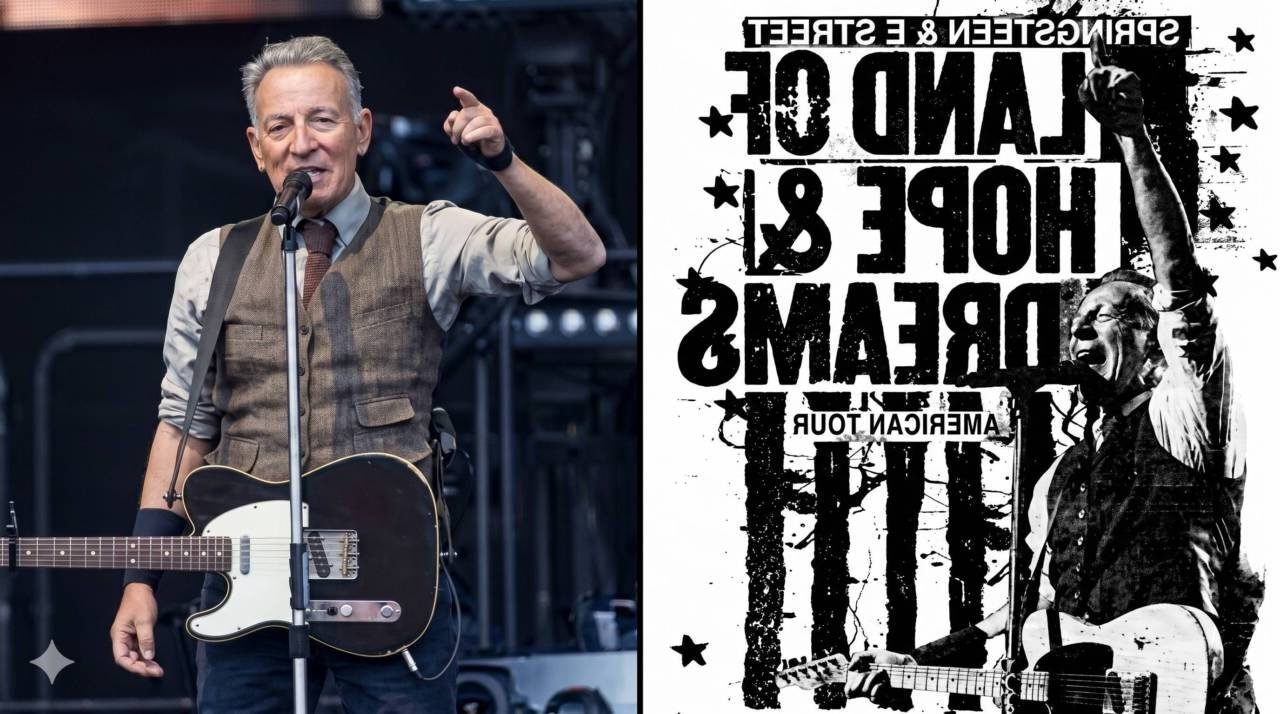
The “No Kings” themed Land of Hope and Dreams American Tour kicked off in Minneapolis, culminating in a fiery, politically charged finale in Philadelphia. While Bruce Springsteen uses the microphone to slam the White House and decry conditions at the New Jersey ICE detention center, the sheer scale of these stadium events highlights a glaring cultural paradox. Ticket prices and massive arena logistics clash directly with the raw, anti-establishment message echoing from the stage.
This tension is not new, but it has reached a boiling point as the tour directly disrupts national celebrations. By launching competing events, Springsteen forced mainstream artists like Morris Day, Milli Vanilli, and Martina McBride to withdraw from the official Freedom 250 event. The working-class champion now wields enough corporate leverage to dictate the terms of national memory, proving that dissent is one of the most profitable commodities in modern music.
Weaponizing Nostalgia From Nebraska to Washington
The sonic landscape of this movement relies heavily on stripped-down, haunting re-imaginings of his catalog, including “Born in the U.S.A. (Electric Nebraska)” and “Open All Night (Nebraska Live).” By revisiting the dark, desolate themes of his early work, Bruce Springsteen connects past economic anxieties with modern political unrest. This is not a celebratory retrospective; it is a calculated effort to use historical grief as a weapon against current political structures.
Joining forces with Tom Morello for the Power to the People Festival in Washington, D.C., Springsteen cements his role as an active political agitator rather than a legacy act. This transition from stadium entertainer to protest leader shows a calculated pivot. He is no longer content with radio play; he wants to directly influence the political narrative from the steps of the nation’s capital.
The Legacy of Bruce Springsteen and the Archive Machine
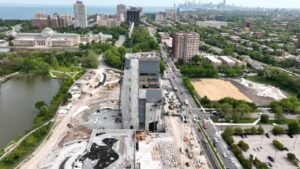
Even as he fights the establishment, the machinery of his own legacy continues to expand with the upcoming opening of the Center for American Music. This massive 30,000-square-foot facility will house exhibits dedicated to his archives and the broader history of American music. The irony is thick: the man who sang about running away from dying towns is now immortalized in a state-of-the-art monument designed to preserve his rebellion.
This institutionalization of protest music reveals the ultimate fate of counterculture in America. While E Street percussionist Anthony Almonte branches out with solo projects like Conversando Con La Luna, the core E Street brand remains locked in a cycle of monumentalizing its own past. Ultimately, Bruce Springsteen has built an empire out of the very struggles he spent his youth trying to escape.
Editorial Deep Dive
The cultural footprint of Bruce Springsteen in 2026 demonstrates how easily rebellion is institutionalized. By creating competing festivals and drawing lines in the sand for other artists, he has transformed political dissent into an exclusive brand. The true human cost lies in the commodification of working-class anger, packaged neatly for stadium audiences who pay premium prices to hear songs about economic displacement.
Cheat Sheet Details
- Market Position: Dominant legacy stadium act and political cultural influencer.
- Primary Assets: 21 studio albums and the upcoming 30,000-square-foot Center for American Music.
- Demographic Reach: Multi-generational working-class and politically active music listeners.
- Recent Milestone: Completed the Land of Hope and Dreams American Tour with a massive finale in Philadelphia.
Public Reaction & Viral Impact
Online discourse surrounding the tour highlights a deep cultural divide, with fans on Reddit praising the raw political energy of the performances while critics on Twitter accuse the campaign of partisan gatekeeping. The sudden withdrawal of legacy acts from the Freedom 250 festival sparked intense debate over Springsteen’s monopolistic influence on live music. Ultimately, the viral conversation proves that Bruce Springsteen remains as polarizing as he is influential.